Quick One: What The First Workshop I Designed Taught Me

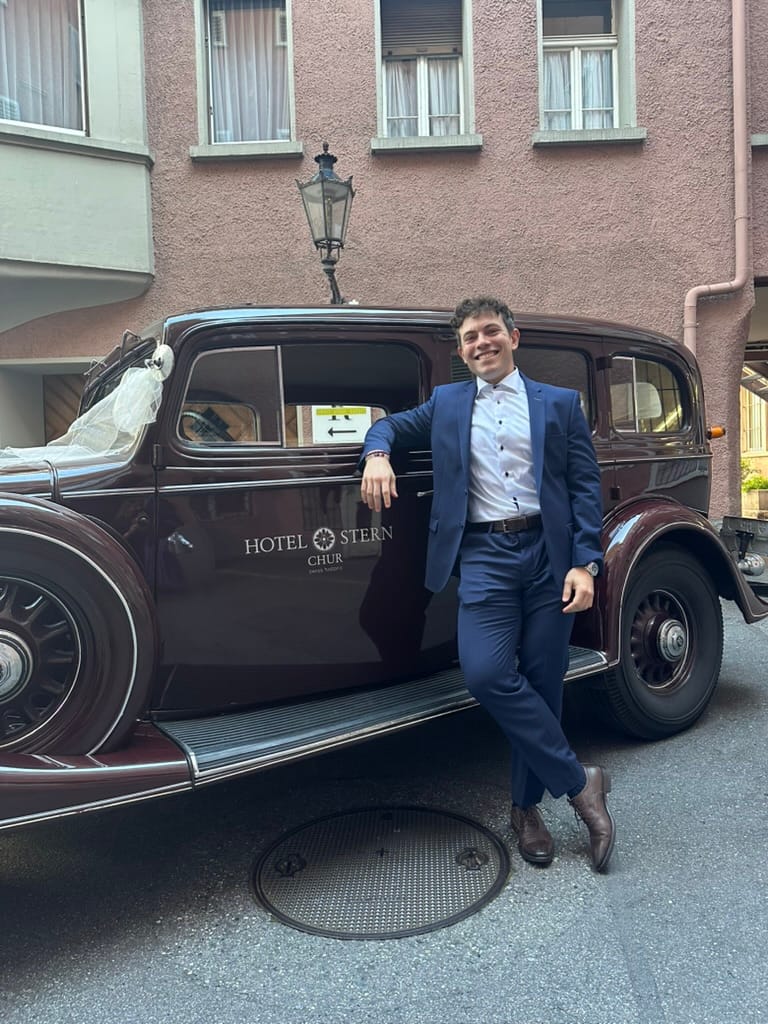
Last week, I had the pleasure to organize a workshop all by myself. These are some of my learnings.
Workshops Are Fun
Getting a bunch of experienced and passionate people in the same room is a great method of learning, understanding a problem, and getting to a solution quicker than anything I've ever seen before.
Be Prepared
Have a clear structure before the workshop starts. Real creativity thrives in constraints. If you let go of the reins completely, the horse will gallop anywhere it pleases. Have a clear theme and goal for the workshop. Don't be too rigid, though. The structure should be malleable, because then you can go into the direction where most of the ideas and knowledge come from.
Don't Stop The Flow
When the idea river's flowing, don't go building a dam. During the last workshop, we actually wanted to talk about two ideas. But the first one was so wildly and deeply discussed it would've been a waste to stop it. Sometimes, it's better to just run with what's happening than trying to control an outcome.
Hold Them In Person
Whenever possible, facilitate a workshop in-person. Online meetings are a great tool, but from my experience, a lot of creativity gets lost. One of the greatest breakthroughs sometimes aren't made on the whiteboard, but during a talk at the coffee machine.
Personalize, Personalize, Personalize
If possible, personalize the workshop experience for the participants. For example, I researched the participants beforehand, already getting to know them a little. You wouldn't believe how much a five-minute-research session can help you improve the individual experience. This is of course much easier if your participation group isn't as numerous. But putting in a little extra effort will pay off massively in the long-run.
Thank Everybody
One often forgotten, crucial part comes right after the workshop has concluded: thank all the participants. Some things don't go out of style for a reason, and showing gratitude is one of them. Your participants took time out of their day to join. They could've done something else, but they chose to spend the only resource that is finite in life: their time. If that doesn't deserve thanks, I'm not sure what does.
Ask For Feedback
A feedback loop is one of the quickest methods to get data on how to improve. About two days after the workshop, ask for some feedback from the participants. Asking for feedback immediately after taints the feedback because most people are uncomfortable with mentioning the parts that need improvement. Also, they have more time to think about the experience.
After The Workshop Is Before The Workshop
Just like with lifting weights, true gold is not found during, but after everything has concluded. Your muscles get stronger during recovery, not during training. So is it also with workshops. True insights show up during synthesis.