Optimizing Your Life Away

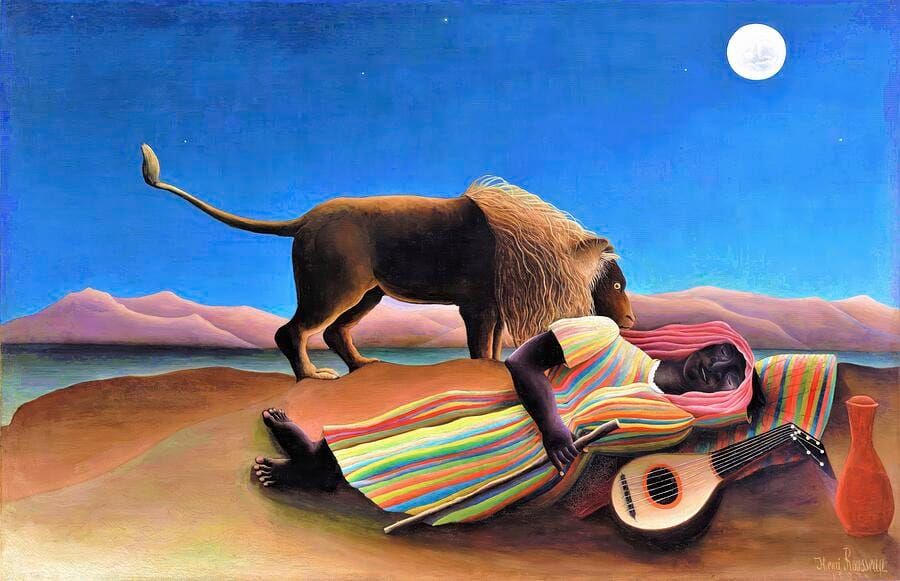
The cliff snaps into view now, only meters away. But the car doesn't slow down. "Hit the brakes!", I yell to Mickey Mouse. He's driving the car, wearing a suit. Also, he's in black and white. What he isn't is slowing down, that maniac.
It gets worse.
There's a horrid laughter coming from the back. It's Goofy. Looks like he was pulled straight out of a 2000s video game.
What is going on here?
Death by driving over a cliff at 200 kilometers an hour, that's what.
I scream for both of them to stop, but they don't: we shoot over the edge and into the abyss.
Before I can hit the ground with my insane cartoon compatriots, my smartphone turns into a disaster siren: the alarm goes off.
Thanks for that dream, brain. Not weird. Not weird at all.
I wake up, but instead of going to the next life, I'm catapulted out of bed by what sounds like a xylophone and a fire alarm had an ungodly child with each other. The sound designer of Apple is a maniac, too.
But not as crazy as me, because it's 5am on a weekday, and I'm off to the gym.
Walking through my apartment on autopilot, still wondering if Mickey and Goofy jumped out of the car in time, I ready myself for the arduous five minute journey to lift some crazy iron.
But I can't just leave. I haven't hydrated yet! Silly me. I take the water bottle out of the fridge and what?! Did you think I'd just drink it? Looks like there's another maniac among us. First, I have to put a pinch of salt in there. Electrolytes baby. Otherwise, the fluid can't go through the intestinal epithelium and the cell membrane and you won't sufficiently hydrate.
I digress.
After I'm done working out, it's 6.45am, and I'm already at my desk at work. Then the next non-negotiable is finally upon me: the sun's on the horizon. Time to get some sun exposure! Also, I can finally have my first coffee of the day, because 90 minutes have passed since waking. Wait, you have a cup of coffee right after waking? You scrub. The system caffeine acts on isn't even active for the first 90 minutes after waking.
After having lunch exactly at 12.30 pm (because this is inside my fasting time frame), I get back to work. Time for some more coffee so I can get through the afternoon.
Just kidding.
I don't drink caffeine after 2pm, because then it may interfere with my sleep. But at least I have fun on the weekends.
Did you learn anything until now? Of course I don't. Weekends are here for getting better, not enjoying your time.
You think all of this isn't a life worth living?
You're absolutely right.
I mean, it worked: I lost weight, gained muscle, and reached other goals as well. No one has ever been that healthy hating every second of his life. And thus appears the curse of over-optimizing your life – because it's a surefire way to not live your life.
Some of the best and memorable moments of my life came from bad decisions. Well, at least the over-optimizer crowd would call them that. Did I really have to drink the fourth electro (don't ask) back in my mid-twenties during the town festival? I regretted it the next day, but looking back, I made not only new friends, but the undisclosed mixture of alcohol also let a new romance blossom.
Is there value in optimizing parts of your life? Absolutely. Having habits that contribute to your long-term health leads to a much better life. But these habits mustn't enslave you to the point where you may stay healthy into old age, but dreaded every second getting there.
This might sound similar to simply having balance. But balance is overrated. I don't think anything great has ever come from having balance. Pointing out the people who achieved something they wanted with balance is pointing at the rarity and mistaking it for the norm.
What it comes down to is what goal you want to achieve by optimizing your life. The goal of optimization should be to make something better, or just lead to change in general. Optimization is the means to a goal, not the goal itself.
So before you negate something for optimization, ask yourself: is this optimization making my life better – or not make me live my life at all?