
The Curse Of Being Nice

Let's play a game: If you had to choose a curse you were unlucky enough to suffer from your whole life, what would it be?
After thinking about it for a while, coming up with all sorts of things, I'm not any further ahead in answering this question but one thing: I know what kind of curse I surely don't want to be afflicted by – and that curse is niceness, which makes you bear the fate of being a pleaser.
Now this statement screams for a definition. After all, isn't being nice a virtue?
Well, no. Absolutely not. Especially not the kind of nice I'm talking about.
Usually, people think of someone being nice as helpful or pleasant.
That's not niceness. That's being decent.
But there's another kind of "nice" behavior. Decency acts as a social vitamin. It helps the world go round and civilization to flourish.
Niceness is nothing of the sort. Instead, it's an illness. That malignant disease turns you into the shadiest form of human being: a pleaser.
These people give you a distinct feeling. You might not be able to verbalize it, but something in your gut tells you to be careful. Your nervous system goes from calm to alert, and billions of years of evolution conspire to warn you: this person is up to no good.
When they talk, it's as if someone's pouring oil over you. You want to wash it off immediately. Be done with it. Leave.
But aren't they, well, nice to you? Aren't they nice to everybody? Yes, they are. That's exactly their downfall. Because these people tend to let other people walk all over them, even after they themselves have been treated badly. A telltale sign of a pleaser.
But being nice to everyone means not being good to yourself. Some people simply don't deserve to be treated nicely. One should not expect a pleasant experience when one's self causes suffering.
But all of this doesn't matter to the pleaser. In order to keep everyone happy, pleasers bear the burn of others. What they fail to realize is the world doesn't become a warmer place just because you light yourself on fire trying to please everyone.
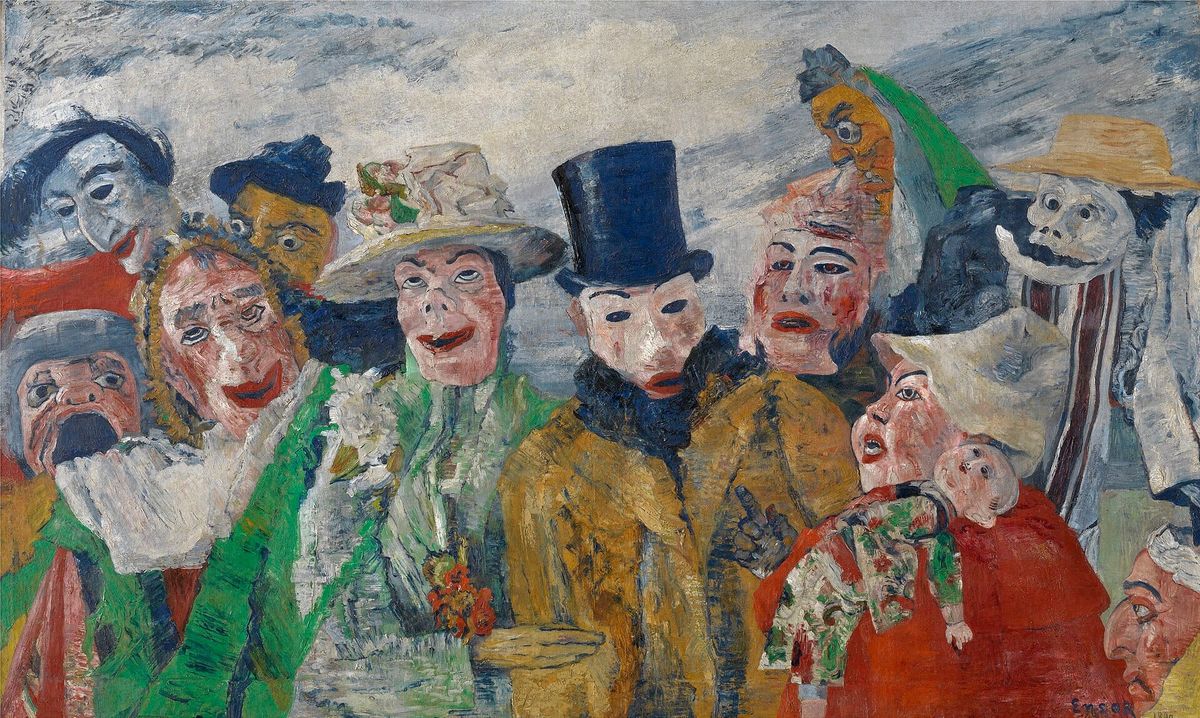
But this front is only a mask. A persona the pleaser plays – and they're phenomenal actors. It gets even more sinister, though: pleasers are such great actors because they believe their own lie. They think themselves martyrs for the greater good. How selfless they are in their pursuit of a better world, even sacrificing themselves! Only it's not selflessness, but selfishness steering their actions. Think about it: what could be more arrogant and self-centered than to think other people need your sacrifice? The grandiosity!
They are a human-become angler fish.

They try to lure you in with their behavior. Give you a false sense of interest and comfort.
Then they strike.
Because that's what you are to them: prey. Something to consume and then toss away when it's not needed anymore. For the pleaser, it's not about you, someone else, or any other group of people.
Luckily for us, there's a cure for this particular malady. Because the only surgery for the tumor that is niceness is kindness.
Pleasers mistake niceness for kindness. The former is insidious. But the latter is the complete opposite. It takes guts to be kind. Nice doesn't want to offend anyone. Kindness is telling someone they have something between their teeth. It accepts unpleasantries in order to help someone without burning one's self. Because kindness doesn't expect anything in return. A kindness is done because it is the right thing to do, not for ulterior motives.
But when kindness is so much better than the niceness of pleasers, why don't we default to kindness? Because being kind is much more difficult than being nice. The price for kindness is hard conversations, unpleasant situations, and even being perceived as offensive.
Let me ease your soul about these three.
Hard conversations don't arise just in the moment. In truth, they were born much earlier. They're like having a pebble in your shoe that gets more annoying the longer you walk. When you take it out too late, you realize the pebble has turned into a boulder. The bad news is that it's now more strenuous to take the boulder out of your shoe – if you're even able to lift it, that is. Sometimes, putting off hard conversations can become so heavy they break the relationship between people. Kindness is stopping for a second, taking off your shoe, and throwing the pebble out – even when it's difficult.
Unpleasant situations have only one big problem: the people trying to avoid them. Just like with hard conversations, unpleasant situations have the tendency to get even more unpleasant the more you try to circumvent them. It's like having leftover food in the fridge you haven't checked on for some time. You know you should throw it out, but you don't. When you finally open it, you'd wish for only mold. Instead, you used the spaghetti bolognese as soil to grow a whole new biosphere. Now it's become disgusting to even throw it away. Kind people don't let such fungal paradises grow. They either eat it while it's still good even though they don't enjoy it very much, or throw it out in due time. Having hard conversations early makes them much easier.
Which brings us to the last point. Offensiveness, old friend, so good to see you!
Said no one ever.
It's fashionable in our modern times to be offended. If you're not offended, so the logic goes, you either don't have a purpose or don't care enough. Which makes it much harder for people to be kind. Kindness is not easy – being offended is. The offended crowd shouts for a kinder world, but fails to realize their behavior screams they can't handle kindness. Because, as I've said before, kindness requires the risk of being offensive.
Instead, they create fertile ground for pleasers to fester. The cultural version of the long-forgotten spaghetti bolognese.
So then, what would you like to be: a pleaser – or kind? In the words of probably so many people:
“In a world where you can be anything, be kind.”
— Unknown (hopefully you)


