The Hard Life Brings the Good Life

Twelve months. He’s trained twelve months for this.
Eleven.
Ten.
Nine.
All this running. All this suffering. The clock’s about to hit eight o’clock.
Seven.
Six.
Five.
Nothing else existed. No time for friendships. No distraction whatsoever for the last four weeks.
Three.
Two.
Everything for this one moment.
Zero.
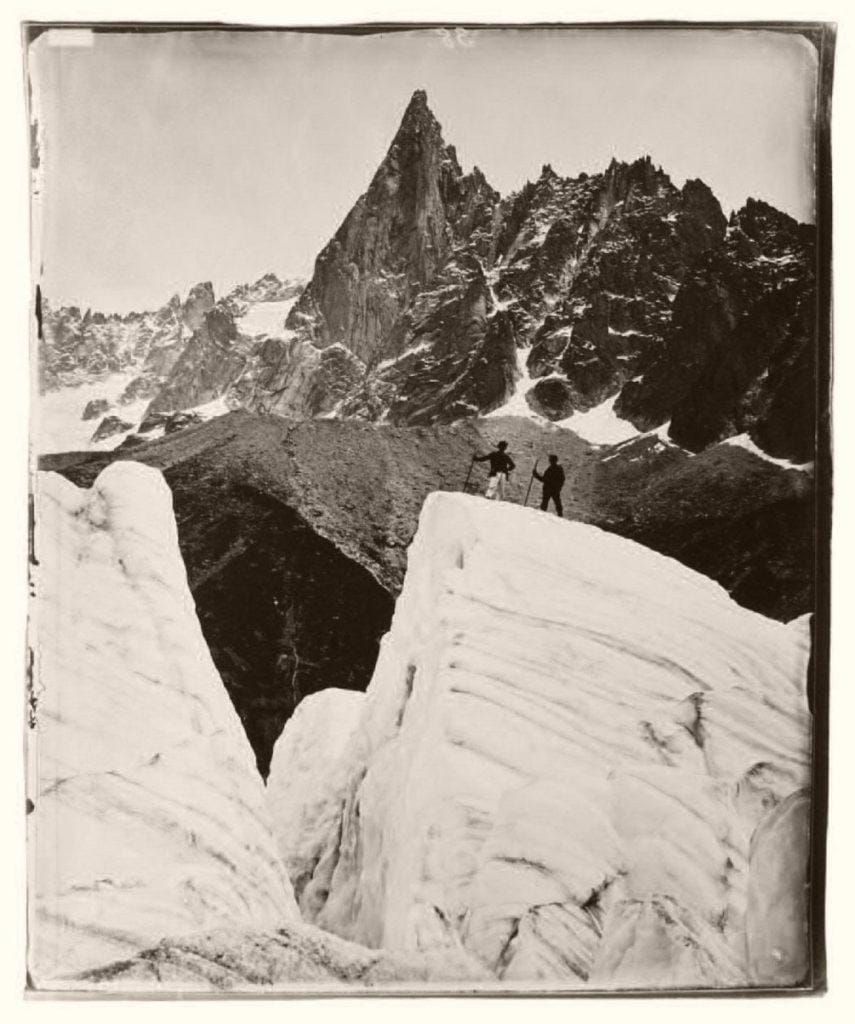
The gunshot slices through the silence, four hundred contenders jump into action – and the brutal Bernina Glacier Marathon is on its way. The race has a length of 42.2 kilometers, the normal marathon length. But this is not what makes it a horrific test of endurance. In addition to running the length of a marathon, the runners will also climb about 2600 meters. That’s the equivalent of climbing from sea level to a major alpine summit.
And in the midst is one of my best friends.
But he’s not just one of the four hundred. This race is very different for him: whereas many participate just for the challenge itself, he has the actual chance of winning it all. It should’ve been one of the best days of his life.
Until this moment changed everything.
The race starts phenomenally for him. While others already regret signing up after about twenty minutes, he flies past the competition. At his side is his main training partner. They went through all the preparation together. They know each other well. They look at their watches – when it comes to pace and time, they’re doing even better.
“How are you feeling?” his training partner asks after one of the harder climbs of the race.
“Phenomenal. Absolutely phenomenal.”
It was the best he’d ever felt running. Never before had it been so effortless.
Then comes the downward run.
He takes the third step and hears something horrible: as if somebody had torn paper. It took a full second until he couldn’t just hear it, but also feel it: his left foot felt as though it was engulfed in flames.
Complete tear of the ligaments around the ankle. No chance of finishing the race. This was it.
I was heartbroken when he told me what had happened to him. But I also felt it was what he needed most, because I’ve gone through a similar thing.
When I was twelve years old, my life took a turn for the worst. In the span of one year, my parents divorced, and one of the most important father figures in my life, my grandfather, died of cancer. To cope with the pain, my younger self looked for relief. The one I found would influence my life more than I could have known: food.
So at the age when everybody’s brain decides it’s time to feel embarrassed about everything, I got fat.
High-five to that one.
I kept the weight on for nine years. Then I accepted the situation, which made everything feel better, and I went from fat to chubby. When I was 21 years old, the weight was about to come off completely.
Then life took a turn for the worst.
Someone in my family decided he wanted the entire entrepreneurial empire my grandfather had built for himself. This threw my mother and me into a financial prison: a lot of wealth on paper, but none that generated liquid funds – yet the tax burden remained. In the worst cases, this can lead to personal bankruptcy.
It almost did in my mother’s case. But then she met the man who should’ve helped, but turned out to be the worst of all.
I’m not going into great detail here, but it was hell.
I’m not proud of it, but during this time I saw myself as a victim. To numb the pain, I fell back on old, self-destructive strategies: food became my coping mechanism once again.
Most people think self-destructive behavior functions like a painkiller. It numbs the pain for a while until it returns in full swing. How I wish this were the full truth.
The reality is much worse. Think of behavior in general as a balance sheet:
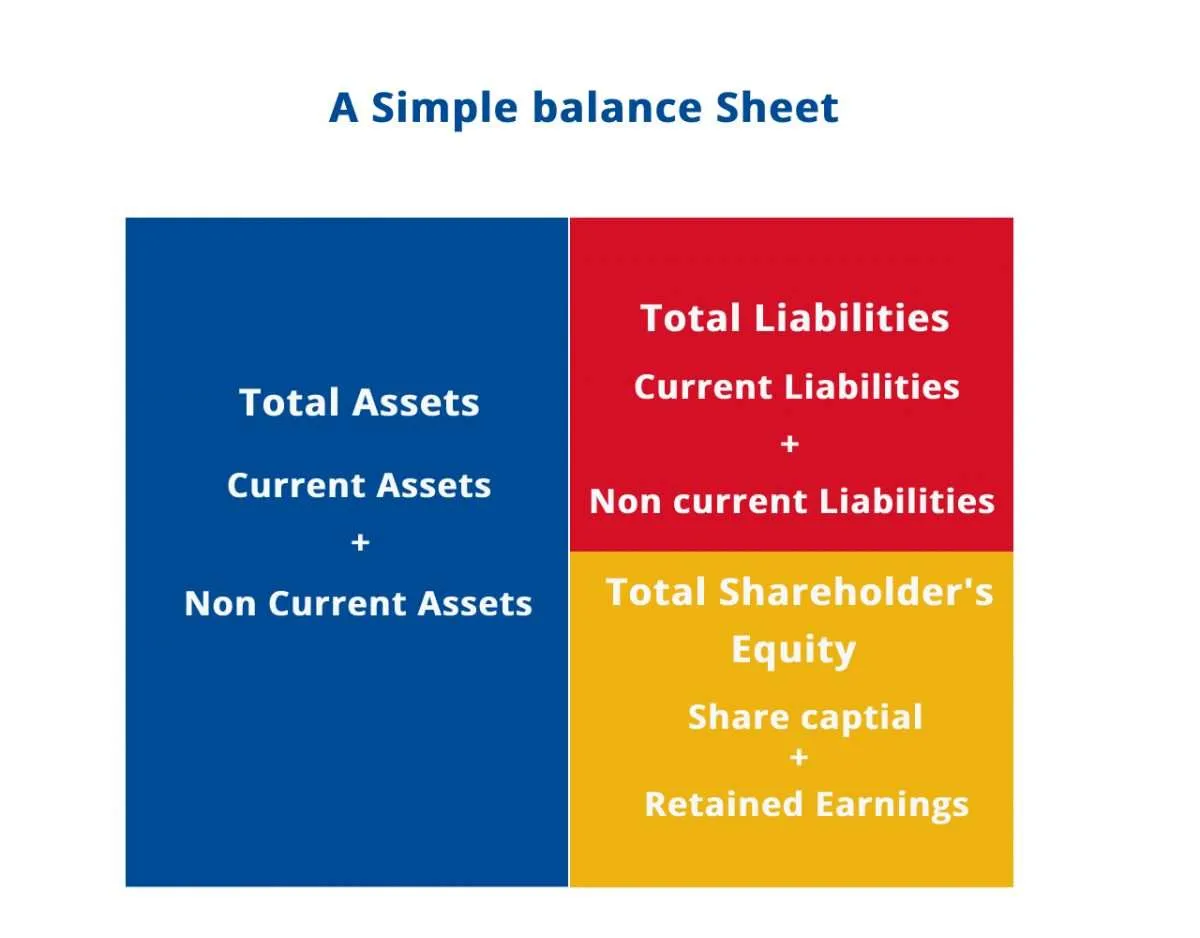
For simplicity’s sake, we can categorize behavior as either positive or negative. For example, if you get your finances in order and spend less than your income, it can be considered positive behavior because it leads to positive outcomes for the person. Smoking can be categorized as negative behavior, since studies have shown that it raises all-cause mortality about threefold, thus having a negative impact on the person (e.g. going bye-bye much sooner).
Self-destructive behavior acts like debt on a balance sheet. Not just any kind of debt, though, but the worst kind of debt: debt that eliminates optionality. In a financial context, this would be something like merchant cash advances or payday-style business loans. Instead of a normal interest rate, this kind of financing often uses factor rates. So if you take out such a loan worth $50’000 with a factor rate of 1.4, you have to pay back $70’000.
Ouch.
But don’t worry – it gets much worse.
The lenders might not care how long you take to pay it back, but the repayment is tied to your daily revenue, or to revenue over some other period. If you make $2000 a day and you’ve agreed that the lenders get 15%, you immediately owe them $300. This absolutely obliterates optionality.
Why would a business even consider taking out something like that? Because it really, really needs liquidity – just like with self-destructive behavior: the person really, really needs relief. But man, does it come with some debt that needs to be repaid not just in full, but in much more than was ever borrowed.
It takes much longer to heal ligaments than to tear them. It takes much more willpower to lose weight than to gain it. So numbing the pain increases the overall pain instead of diminishing it. You’re already in a hole, but you keep digging anyway.
Sounds horrible, right? Plot twist: the worst part is yet to come.
Now, it might not be your fault if you find yourself in a bad situation. You can’t control all circumstances. But this is only true in the beginning. If you keep deepening the hole you’re in, somewhere down the line it becomes your fault – and herein lies the worst part: from what I’ve read and experienced, humans can carry an almost insurmountable amount of pain, but accepting that you’re responsible for your bad circumstances is almost unbearable. As another self-protection mechanism, so that we don’t have to bear the responsibility, the mind comes up with all sorts of reasons why somebody or something else is at fault. Then, it’s almost as if we gave ourselves the equivalent of cancer: we turn ourselves into victims.
Victimhood kills agency. You’re not going into action whatsoever because you believe whatever you do won’t change your life. But this belief is false, which I found out after finally doing the one thing that could save me: accepting responsibility. Instead of basking in the smoldering heat of my pain, burning even more from feeling sorry for myself, I woke up.
I decided enough was enough. This might sound a little woo-woo, but I’ve experienced it time and time again: the moment you take responsibility and get into action, it’s as though some force decides to support you with all its might.
My mother and I got help from someone, and our financial situation took a turn for the better. The pressure was released, my perspective broadened – and I lost 25 kilograms in about five months.
For the first time in forever, I was not just slim. I was fit. Very fit.
So what to make of all this? What did I learn – and what can my friend learn from our experiences?
The version of myself that went through this horrible period would probably punch me in the face for this statement, but going through the pain taught me the skills necessary to make my life better.
Such experiences leave scars, but they also build up scar tissue. When you’re ready to learn from your experiences, you will become a better version of yourself. The magic incantation here again is agency: it’s in your power to let the experience define you – or to define the experience yourself. The former is passive, with no personal power; the latter is active, with all the fortitude.
When this shift in mindset occurs – when you’re no longer the log in the river, a plaything of its currents, but the person at the helm of your ship – you realize that you actually have the power to chart the course you desire.
I hope the same happens for my dear friend. I know he has the mental fortitude to do so. He also has the necessary wisdom to become an alchemist of life: someone who can turn the worst into good, the ugly into the beautiful. Someone who can turn the hard life into the good life.