The Oldest Game Changer In The Book

Social media is an angry-making machine. But nothing envelopes me more in rage than the hustle gurus. So-called "hustle porn" (don't google it, I've made that mistake for you) is all over the internet: the idea of putting in more time into something will make you succeed more.
The truth is they're up to something.
I've been reading Robert Andrew's phenomenal biography of Napoleon and researching Robert Moses (Shane Parrish helped me tremendously). Both of these men have one thing in common (ethical questions about their actions aside): they were ridiculously hard workers. The French emperor and the arguably most prolific urban planner in US history did not have a single substitute for hard work. They just kept on going a billion kilometers an hour toward their goal.
Yet if you read the regrets of the dying, life is not all about work. But that's also not the point. If you want to become brilliant in any domain – becoming extremely competent – you must put in the time. The legend of highly talented people, blessed by the heavens to be faultless from birth, is over-told. It also under-appreciates the joy that comes from getting better.
But hard work sounds exhausting and painful, and sometimes it is. This seems horrible to some: "Why would I suffer if I don't have to? Let the workaholics do it!"
Yet the problem of the modern world is not raising the status of hard work to that of a deity, but the other side of it: creating a business model around the promise of substituting work entirely. Miraculously, it usually only costs you $999 in the form of an online course. It's a promise of heaven made by Lucifer himself.
In times when you can tell a computer to blurt out an essay about how Napoleon's eating habits influenced the code civile in under five seconds, we tend to forget the bliss of improving and succeeding.
So instead of worshipping at the altar of hard work, we should build a temple for the process.
Some time ago, I was horribly overweight. I had ballooned to an ungodly amount of kilograms. While my self esteem had withered away long ago, now my health started deteriorating as well. The mission was clear: losing as much weight in the shortest time possible. Now, you can do two things in this situation: eat less and move more, or have surgery. Thankfully, I chose the first approach.
After a grueling five months, I had lost about 25 kilograms. I was back in a healthy weight range. Yet the coolest part wasn't the weight loss, but what happened afterward: I didn't stop working out. Six years later, I'm still going strong, working out almost daily. The weight loss is what pulled me in to this routine, but what made me stay was the love for the process.
This experience made on thing clear to me: there are an infinite amount of paths we can take through life, but only two kinds of paths exist: the easy path and the right path. The easy one always seems shorter but is longer in the end, while the right path seems longer but is actually shorter and more fulfilling.
When you see someone trying to sell you the easy path, it's never a solution, but a dream. Why would you sleepwalk through life when you can be fully awake for this brief experience?
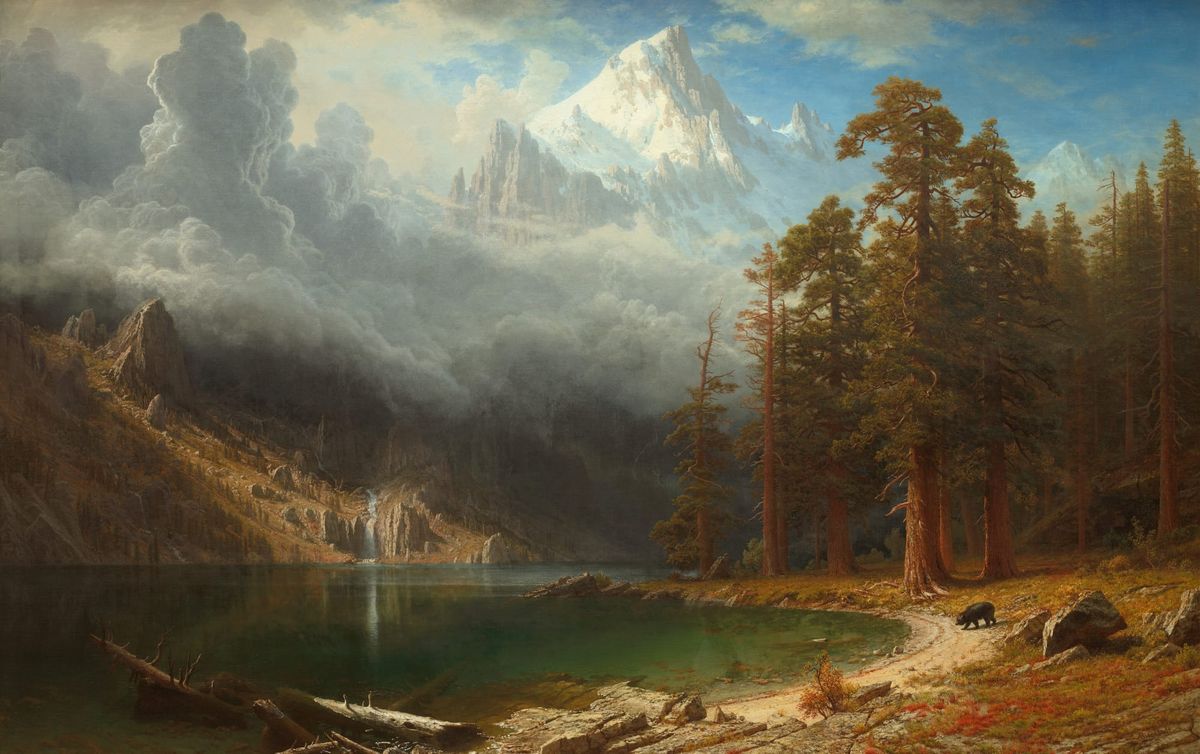
There's only one way to reach your goals and live the most fulfilling life possible: taking one step at a time up the mountain and learning to enjoy the hike instead of riding up the gondola of regret.